Facial surgery · Guide
Facelift Surgery - Creating an Inconspicuous Scar and Sedation Anaesthesia
- Medically reviewed by
- Medically reviewed by Mr Vasu Karri, Consultant Plastic Surgeon, FRCS(Plast), GMC 4631035
- Written by
- Mr Vasu Karri
- First published
- Last reviewed
- Next review due
- 27 September 2027
- Reading time
- 1 min
Summary
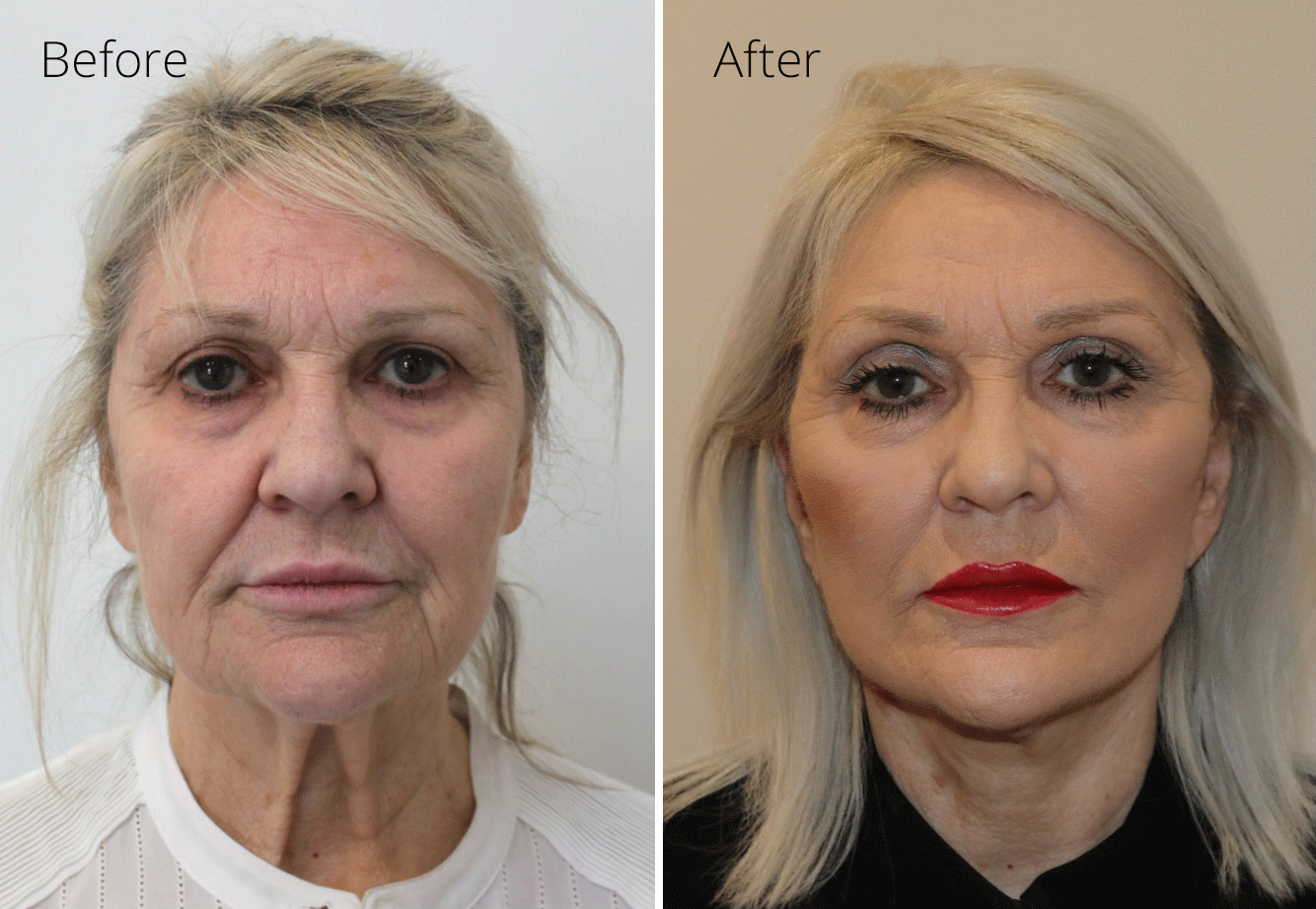
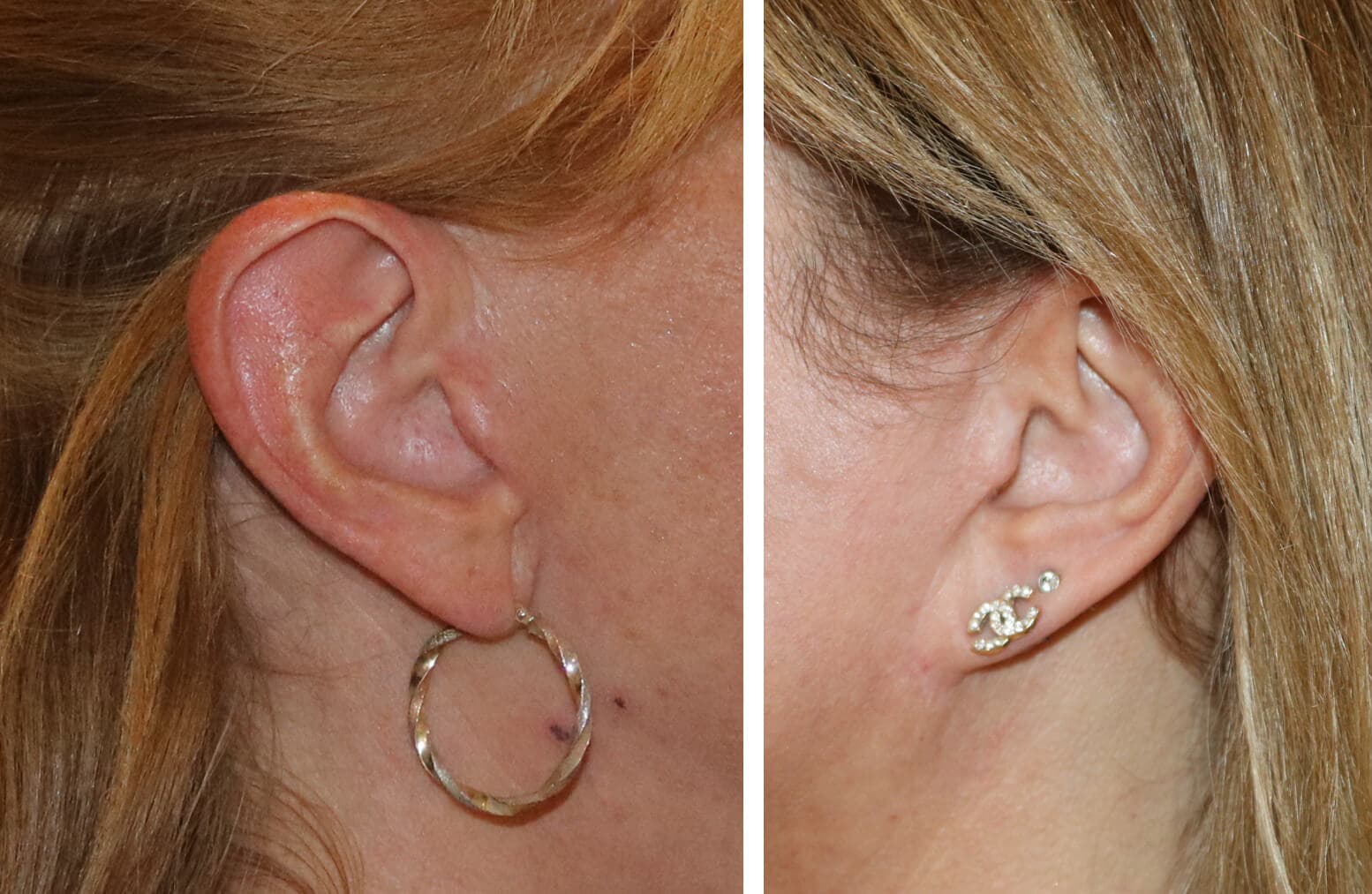
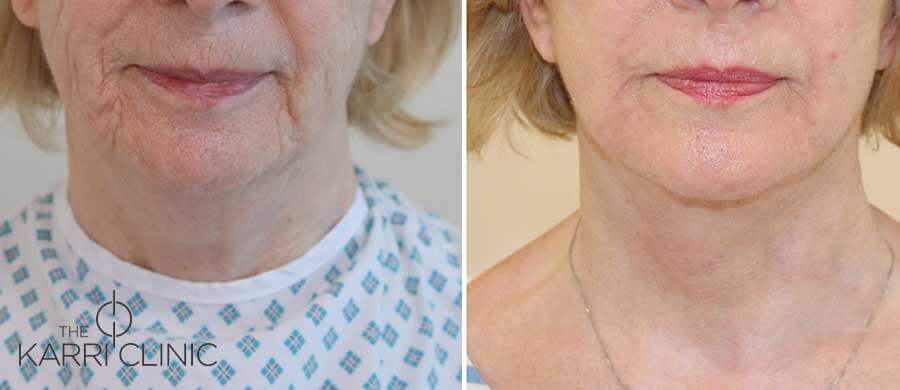
- Mr Karri hides the facelift scar just behind the small cartilage in front of the ear (the tragus), then takes it around the ear into the hairline.
- Scars are tailored to each patient's ear and hairline, and lifting without tension avoids a “pulled” look.
- Many facelifts are done under sedation, and patients often go home the same day.
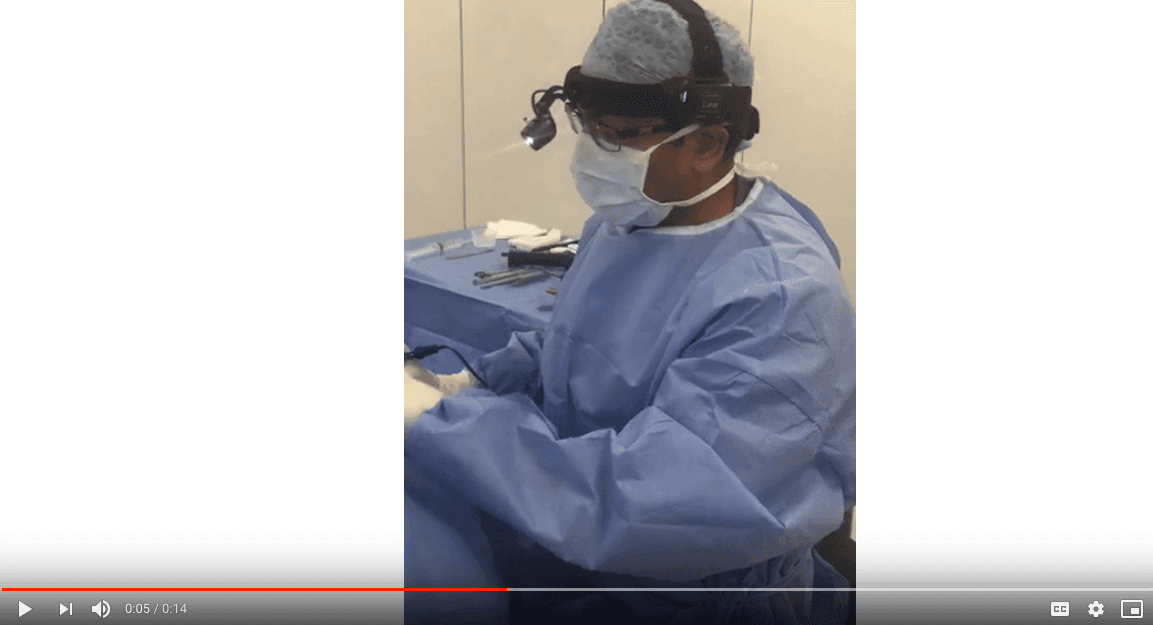
In these two short videos, Mr Karri discusses how he creates an inconspicuous scar for his patients, as well as the benefits of having facelift surgery under sedation anaesthesia.
A Well-hidden Scar
An inconspicuous and well hidden facelift scar is very important as it allows patients the option of pulling their hair up without worry that a scar will be seen. Mr Karri is extremely careful to ensure each patient is left with the most inconspicuous scarring.
In this video he explains how he is creating a retro-tragal or post-tragal incision so as to hide the facelift scar just alongside the little cartilage in front of the ear called the tragus. The scar then goes up, around the ear and into the temporal hairline. Scars are tailored for each patient's anatomy and variability in their hairline.
Hair preservation is a large consideration in scar placement as well as following the natural creases around the ear and earlobe. Lifting in the proper direction and avoiding tension on scars prevents the pulled look after a facelift and allows for the best healing scar.
Facelift Surgery Under Sedation Anaesthesia
Mr Karri performs many of his facelift surgeries under sedation anaesthesia, patients are calm, comfortable and often able to return home the same day as their surgery.
Recovery time is quicker following sedation anaesthesia and patients minimise side effects which are often associated with other anaesthetics.
To find out more about facelift surgery, take a look here, or alternatively email us on enquiries@kinvarahospital.co.uk or call the team on 01709 464 200.

About the author
Mr Vasu Karri
BSc(Hons), MBBS, MRCS, MSc, FRCS(Plast)
Mr Vasu Karri is a Consultant Plastic Surgeon in full time private practice at Kinvara Private Hospital, Rotherham. He is on the General Medical Council (GMC) specialist register for plastic surgery, certified by the Royal College of Surgeons of England in plastic surgery.
- GMC 4631035
- FRCS(Plast)
Questions about facial surgery?
Send an enquiry and Kinvara Private Hospital will get back to you.